Nutrition
Expert Nutrition Advice for Men's Health & Wellness

How can I boost my energy levels?
Many men struggle with afternoon energy crashes and fatigue. The key lies in stable blood sugar management through balanced meals containing complex carbohydrates, lean proteins, and healthy fats. Timing matters too—eating smaller meals every 3-4 hours prevents energy dips. Additionally, staying hydrated and limiting refined sugars significantly impacts sustained energy throughout your day.
What role does protein play in men's health?
Protein is fundamental for muscle maintenance, hormone production, and immune function in men. Aim for 0.8 to 1 gram per pound of body weight daily. Quality sources include chicken, fish, eggs, legumes, and Greek yogurt. Adequate protein intake supports muscle recovery after exercise, maintains bone density, and helps regulate appetite hormones that influence weight management.
What are the best nutritional practices for prostate and heart health?
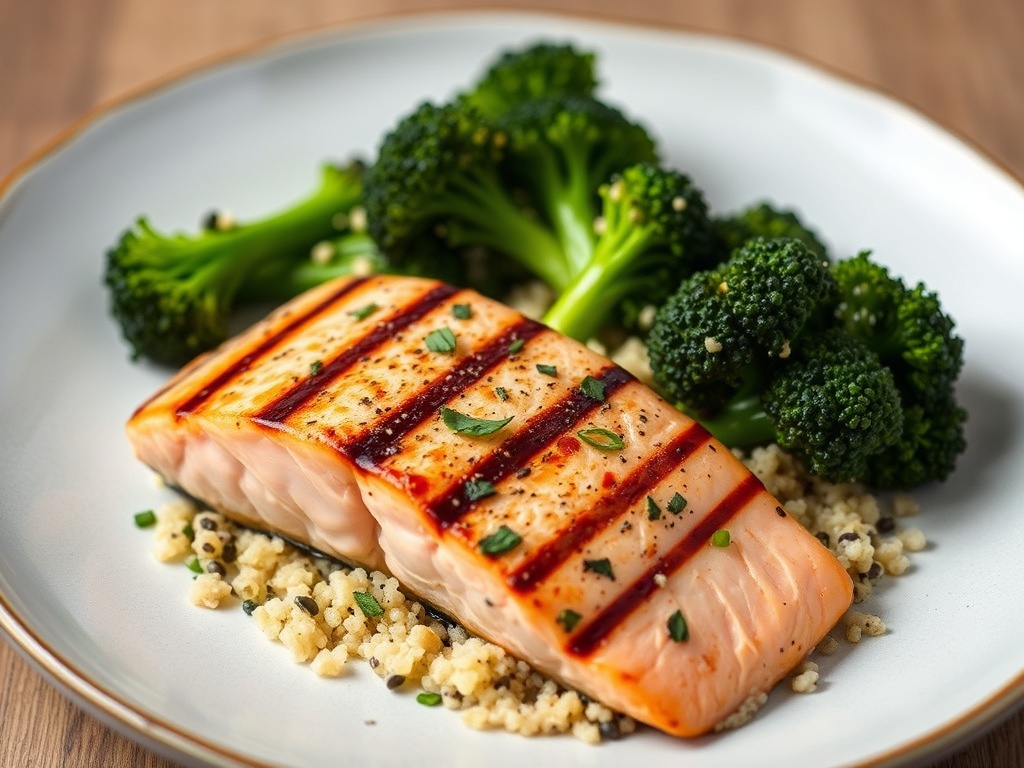
Incorporating foods rich in lycopene like tomatoes, increasing omega-3 fatty acids from salmon and walnuts, and consuming plenty of cruciferous vegetables such as broccoli supports prostate wellness. For heart health, limit sodium and saturated fats while prioritizing olive oil, nuts, and leafy greens. Regular intake of antioxidant-rich berries helps reduce inflammation.
How does alcohol consumption affect men's nutrition?
Excessive alcohol consumption depletes essential nutrients including B vitamins, magnesium, and zinc—all crucial for men's hormonal balance and energy production. Alcohol also interferes with nutrient absorption and increases inflammation. Moderation is key; limiting intake to recommended guidelines protects your metabolic health and allows your body to properly utilize nutrients.
Should men take nutritional supplements or multivitamins?
While whole foods should be your primary nutrition source, certain supplements benefit men specifically. Vitamin D, omega-3s, and magnesium are commonly deficient. Consult a healthcare provider before starting supplements to ensure they address your individual needs. Quality matters—choose third-party tested products from reputable manufacturers to ensure purity and potency.
What nutrition tips support better sleep quality?
Poor sleep often stems from nutritional imbalances. Magnesium-rich foods like pumpkin seeds and almonds promote relaxation. Avoid large meals, caffeine, and alcohol before bedtime. Include tryptophan-containing foods such as turkey and cheese to support melatonin production. Consistent meal timing regulates your circadian rhythm, leading to improved sleep quality and better overall health.
Additional nutrition guidance tailored to your wellness journey

How can I improve my digestive health naturally?
A healthy gut foundation starts with adequate fiber intake from whole grains, vegetables, and fruits. Include fermented foods like yogurt and sauerkraut to promote beneficial bacteria. Stay hydrated, chew food thoroughly, and eat at a relaxed pace. Reduce processed foods and excess sugar which damage gut flora. Proper digestion enhances nutrient absorption and boosts overall immunity.
What's the connection between nutrition and testosterone?
Testosterone production relies on micronutrients including zinc, vitamin D, and selenium. Include oysters, Brazil nuts, and fatty fish in your diet. Maintain healthy body weight through balanced nutrition—excess body fat increases estrogen conversion. Avoid excessive alcohol and processed foods. Consistent strength training combined with proper nutrition optimizes natural testosterone levels.
Which foods help reduce inflammation and support recovery?
Inflammation interferes with recovery and contributes to chronic disease. Omega-3 rich foods like salmon, sardines, and flaxseeds reduce inflammation effectively. Colorful vegetables contain antioxidants that protect cells. Ginger, turmeric, and green tea offer anti-inflammatory benefits. Limit refined carbohydrates and vegetable oils. Strategic nutrition timing around workouts accelerates tissue repair.
How does hydration impact men's athletic performance?
Even mild dehydration reduces strength, endurance, and cognitive function. Men should drink water consistently throughout the day, not just during exercise. Individual needs vary by activity level and climate. During intense training, electrolyte solutions help maintain performance. Proper hydration supports nutrient transport, temperature regulation, and waste removal—all essential for peak athletic output.
What nutrition strategies support sustainable weight loss?
Sustainable weight loss combines calorie awareness with nutrient density. Focus on whole foods including lean proteins, vegetables, and healthy fats that keep you satisfied longer. Build meals around protein and fiber which enhance satiety. Avoid extreme restrictions that lead to burnout. Track progress through metrics beyond scale weight. Patience and consistency yield lasting results.
Can nutrition improve mental clarity and focus?
Brain function depends heavily on nutrition. Omega-3s, B vitamins, and antioxidants support cognitive performance. Stable blood sugar from balanced meals prevents mental fog. Hydration is critical—even slight dehydration impairs concentration. Limit added sugars and excessive caffeine which cause energy crashes. Quality sleep and nutrition work together to maximize mental performance throughout your day.


Receive your personalized men's nutrition guide
Our certified nutritionists provide expert guidance tailored to your goals